Skip Hire in Southgate
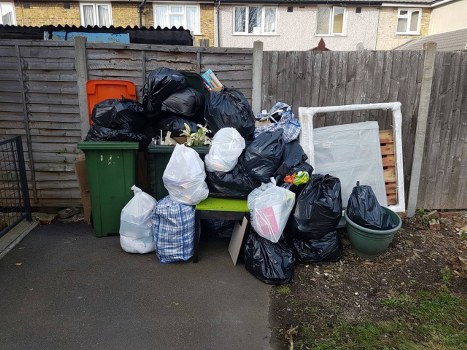
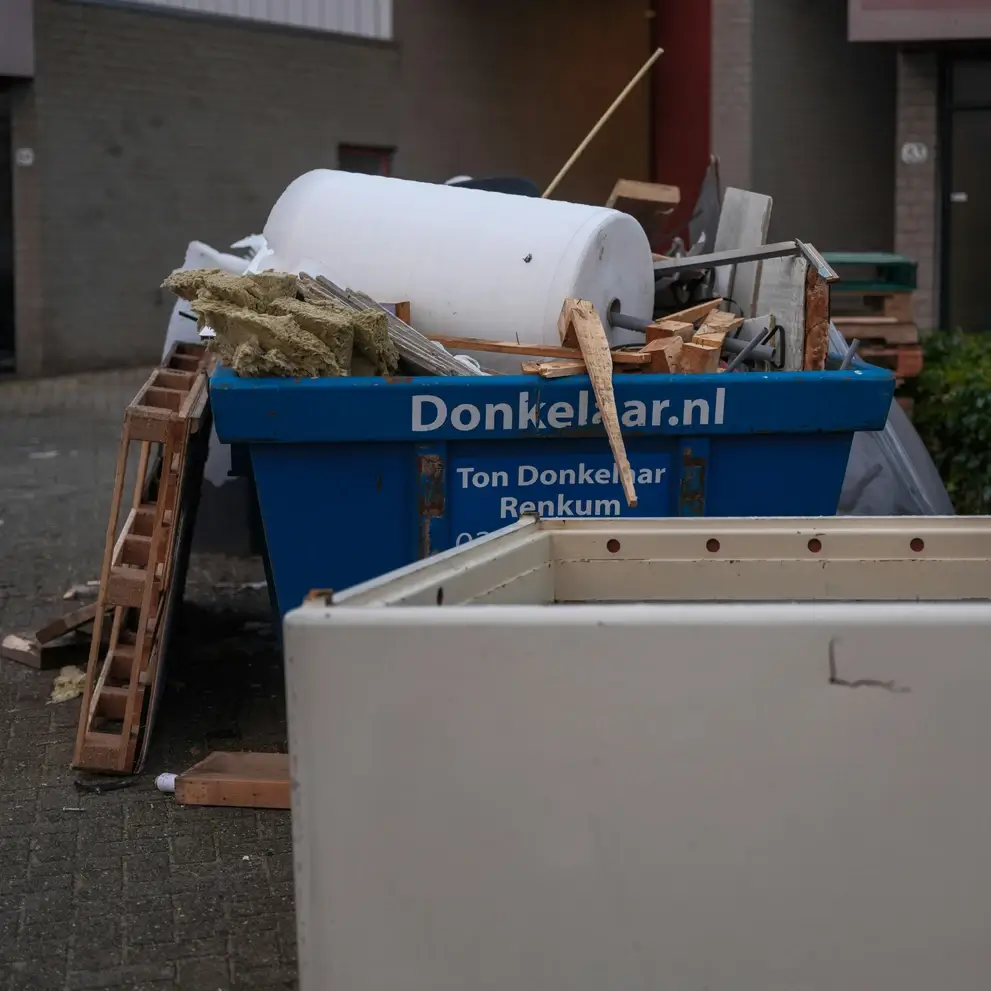
Skip hire in Southgate gives households, landlords, builders and businesses a straightforward way to manage bulky waste without turning a busy project into a series of tip runs. Our service supports mixed waste removal from home clearances, refurbishments, garden work and routine commercial clean-outs, with a focus on practical container sizes and sensible loading guidance. If you need an organised way to collect waste from one address and move it on efficiently, this is a simple place to start.
The main choice is usually not whether to remove waste, but how to do it in a way that suits the property, the access and the material. A skip can suit ongoing work where waste builds gradually, while other options may better fit tighter spaces, limited loading time or smaller clearance jobs. We can help you think through the difference between general skip hire, wait-and-load arrangements and other disposal methods, so the job feels manageable rather than improvised.
For a clear quote, it helps to know the waste type, approximate amount and where the container will sit. You do not need to overprepare before asking; a short description is often enough to start the conversation. Choose the service that best matches the material and access conditions, then compare the options that follow. If you already know the dates you are working to, mention them when you request a quotation.
Household skip hire for clear-outs and improvements
Domestic skip hire suits a wide mix of home projects in Southgate, from loft clearances and garage emptying to bathroom updates, kitchen rip-outs and general decluttering. A well-sized skip can collect a surprising range of everyday waste, including timber, broken fixtures, packaging, old fittings and other non-hazardous materials. The advantage is simplicity: one collection point, one loading area and one organised route for waste that would otherwise spread across bins, bags and the boot of a car.
When planning a domestic booking, it is worth thinking about how the work will progress. Some customers prefer to fill a skip over a weekend renovation, while others need it available for longer while they sort through rooms in stages. The right arrangement depends on volume, timing and access. If your driveway is narrow, if parking is limited, or if the waste is likely to include awkward items, it is sensible to describe that early so the most suitable option can be recommended.
Builders skip hire for trades and renovation work

Builders skip hire is designed for the mess that accumulates during construction, refurbishment and structural alteration. It is commonly used for rubble, plaster, timber, packaging, broken fixtures and similar non-hazardous builders’ waste. For many projects, the value lies in keeping the site clearer during the job rather than waiting until the end. Waste can be gathered as work progresses, which supports tidier working areas and reduces the need to pile materials in corners or along access routes.
Renovation work often creates different waste streams at different stages, so it helps to choose a service that matches the rhythm of the project. Demolition debris may appear in a burst, while finishing trades can produce lighter but persistent waste. A container that is sized conservatively for the expected load can be easier to manage than one chosen only on the basis of the largest possible pile. If you are unsure, describe the type of work rather than only estimating by eye; the material often matters as much as the volume.
Typical items that may form part of a builders’ load include broken bricks, tiles, plasterboard, soil-free rubble, wood offcuts and mixed packaging. The exact loading approach should always take account of the waste type and any restrictions that apply to the material. Builders waste removal can be a useful alternative when you want a collection-based service instead of a container on site, especially where the access or storage space does not suit a skip.
Site, demolition and construction waste management
For larger or more intensive jobs, waste management needs to be planned around the sequence of the works as well as the final volume. Site clearance, demolition waste removal and construction waste disposal all deal with the heavier end of the spectrum, where load composition and site logistics become especially important. Concrete, masonry, timber, metal, mixed inert waste and packaging can all appear together, but the best handling method depends on how the project is staged and what is being removed.
These jobs often benefit from a more deliberate approach than simple household clear-outs. Access routes may need to stay open, materials may need separating, and waste may be generated in bursts that suit timed collections. Where the site is constrained, a skip may not always be the only answer; in some cases, a removal service or a different loading method can reduce disruption. Construction waste disposal is a practical route to consider when the key need is getting material away in an orderly way rather than storing it on the property.
Loading, segregation and practical limits
Waste streams from demolition and construction are easier to handle when they are sorted with a little forethought. Heavy rubble, mixed waste and lighter packaging do not all behave the same way in transit, and some materials place different expectations on loading and disposal. Keeping categories separate where possible can improve efficiency and help avoid complications at collection stage. It is also useful to avoid overfilling or mixing restricted materials with the general load, because that can make removal less straightforward.
Useful planning points usually include the type of waste, whether it is loose or bagged, how close the vehicle can park, and whether the project is ongoing or a one-off clearance. If you are balancing several trades on one property, a simple schedule can help prevent waste from blocking work areas. Keep the conversation grounded in the actual job rather than in generic estimates, because the most accurate recommendation normally depends on the material and the site layout. Construction waste clearance is often a good fit where the aim is to clear a working area quickly rather than leave a container in place.
For jobs that produce a sharply mixed load, you may also want to compare disposal methods before making a final decision. One option may suit heavy, inert material, while another may be better for bulky but lighter waste. Site clearance can be the better route when the task is to remove a larger spread of material from a plot, yard or work area in one coordinated service.
Garden, garage and loft waste
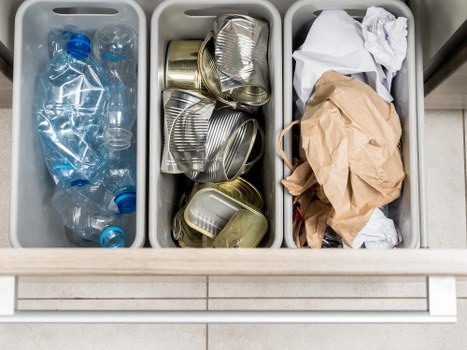
Outdoor and storage areas often conceal more waste than they first suggest, which is why garden waste removal, garage clearance and loft clearance are all common reasons for booking a skip in Southgate. Branches, hedge cuttings, turf, broken garden items, old storage contents and redundant household materials can all accumulate during seasonal jobs or long-postponed tidying. A skip helps consolidate the work into one collection point so that clearing can continue without repeated trips elsewhere.
Different kinds of domestic waste suit different approaches. Green waste is usually fairly straightforward, while garage and loft contents may include a broader mix of plastics, cardboard, metal, textiles and broken goods. The decision often comes down to whether the job is mainly organic, mainly household, or a blend of both. If the load contains heavier or more awkward items, it is wise to say so early, as that may influence the recommended service and how the waste should be prepared.
For gardeners, careful loading can make the difference between a neat tidy-up and a frustrating one. Branches can bridge space, light material can be compressed, and soil or turf can add weight more quickly than expected. Garden waste removal is suitable when you want the green waste taken away directly, while a skip may suit longer projects where you want somewhere to gather material over several stages. For storage spaces, garage and loft clearance can help when the main task is to empty accumulated items rather than manage one uniform waste stream.
Commercial skip hire for workplaces and managed premises
Commercial skip hire is a useful option for shops, offices, landlords, facilities teams and managed premises that need a dependable way to clear waste without interrupting day-to-day activity. Business waste can range from packaging and broken fixtures to redundant fittings, office contents and general non-hazardous rubbish. The arrangement should fit the premises, the access and the scale of the project, whether that involves a one-off clear-out or a planned stream of waste during works.
One of the main benefits for commercial customers is predictability. If waste is allowed to build up unchecked, it can occupy storage rooms, service yards or rear access areas that are needed for routine operations. A skip or collection-based service provides a clearer route through that pressure, particularly when the waste comes from a refurbishment, a move, or a periodic clean-down. Commercial skip hire is best discussed in terms of the actual setting, because a retail unit, office and light industrial space may all need slightly different handling.
Businesses sometimes prefer a service that avoids repeated disruption to staff and customers, especially where loading space is limited. That is where it can help to compare skip hire with wait and load skip hire, which may be more practical if you need a fast collection rather than a container left on site. Either way, the key is to match the method to the operational reality of the premises.
Specialist clearances and waste streams
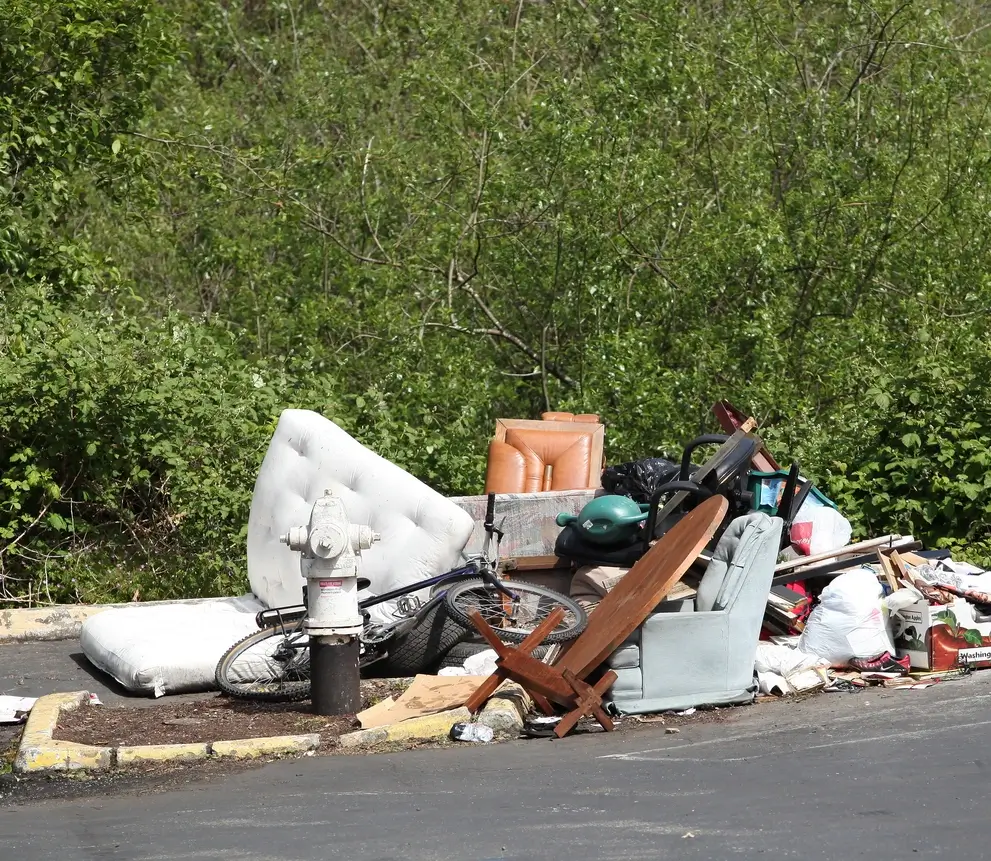
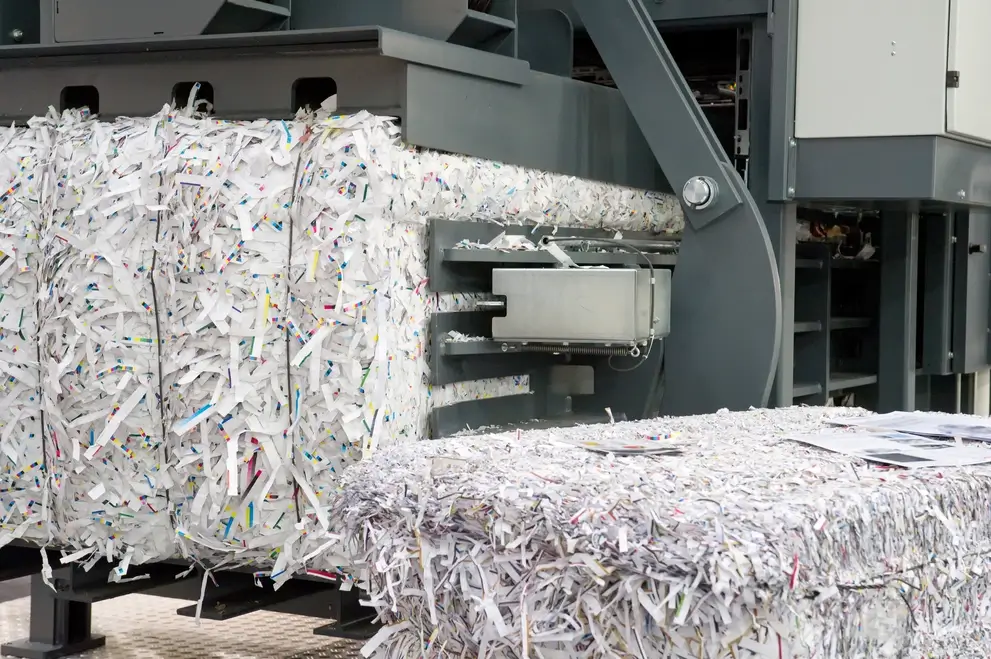
Some waste types need a more specific route than general skip hire, either because of the materials involved or because the property is being cleared for a particular purpose. House clearance, office clearance, mattress and sofa disposal, fridge and appliance removal, confidential shredding and hazardous waste disposal all address distinct kinds of work. These services are not interchangeable: furniture, electricals, confidential material and regulated waste each need the right handling and the right disposal pathway.
It can be useful to separate what is being removed from where it came from. For example, a single room might contain furniture, paperwork, appliances and general refuse, but each category may need to be dealt with differently. A focused service helps when the load includes bulky items that are difficult to move in stages, or materials that require special attention. If you are comparing options, think first about the objects themselves and then about how they will be taken away. House clearance is often the nearest fit when most of the load is domestic furniture and general household contents.
In an office setting, the same principle applies to desks, chairs, filing, screens and everyday waste. Work areas, archive rooms and storage cupboards may all contain different material, so a careful plan can save time later. Office clearance is a better match than a general container when the main task is to clear workplace contents rather than collect one mixed pile from the curb.
Choosing the right skip size and understanding prices

Choosing the right size is one of the most important decisions in any skip hire arrangement, because the best value is rarely about choosing the biggest container automatically. Smaller jobs may only need a compact option, while larger renovations or mixed clearances may justify a more substantial one. The right choice depends on the type of waste, how quickly it will build up, and how much room is available for placement. A well-matched skip is usually easier to load, easier to position and easier to use sensibly through the whole job.
Price is influenced by several practical factors rather than one simple rule. Waste type, volume, access, permit needs, the length of hire and the disposal route can all affect the overall quotation. Heavy rubble may be treated differently from mixed household waste, and a location with limited access can call for a different arrangement from one with ample private space. If you want to keep the discussion focused, describe the material, the place and the timescale, then ask for a quotation based on those details. Skip sizes and prices is a helpful page when you want to compare the common options before deciding what to request.
For customers who prefer more direct pricing information, it is sensible to look at the combination of load type and service style rather than assuming one headline figure will fit every project. Pricing and quotes can support that process, and a final decision becomes easier when you can compare the likely disposal method with the access conditions on your property. If you are ready to move ahead, ask for a quotation in plain terms and keep the waste description specific.
Permits, access and alternative collection methods
Not every property can accommodate a skip in the same way. If there is no private space available, or if the container must sit on a public road, permit requirements may come into play. That means access planning should be part of the decision from the start, not an afterthought. It is also worth considering whether the waste can be loaded efficiently on site, because that can influence whether a skip, a permit-backed placement or a collection-based option is the better route.
Where access is tight, a skip permits page can help explain the administrative side of a road placement, while a collection-led method may suit places that cannot spare the space for a parked container. Grab hire services may be useful where waste needs lifting from a drive, yard or work area and the aim is to remove a larger amount without leaving a skip behind. The right answer depends on the physical setting rather than on the assumption that one method is always best.
Another practical alternative is a service that loads and departs in one visit. That can work well where the waste is already gathered, access is limited or the customer wants the area clear the same day the load is lifted. Rubbish removal is often considered for those situations, especially when the task is removal rather than storage. If you are unsure which route fits, describe the access first and the waste second, because the site often decides the method.
About Southgate
Southgate is a district in north London within the London Borough of Enfield, known for its strong historical links to the old Middlesex landscape and for its mix of suburban streets, civic buildings and local shopping frontages. The area grew from a village on the old route north from London and still retains traces of earlier development in its street pattern and place names. One of its most recognisable landmarks is Southgate Underground station, opened in 1933, whose distinctive circular design is widely associated with the modernist work of Charles Holden and the expansion of the Piccadilly line. Around the station, the streets lead into a mainly residential district with parks, schools and local services rather than a dense central core. Southgate has several green spaces that shape its character, including Grovelands Park to the east and Broomfield Park nearby, both valued for walking, recreation and mature planting. The area also has notable historic architecture, from interwar housing and commercial buildings to older churches and surviving fragments of earlier settlement. Southgate Green is another familiar focus, with a village-like atmosphere that contrasts with the busier roads around the station. The locality’s boundaries are often understood through everyday use rather than a single formal outline, but its identity is clear in the combination of transport links, neighbourhood streets and public open space. Cultural life is supported by local venues, religious institutions and community activity, while the surrounding borough adds museums, libraries and civic destinations within easy reach. As a result, Southgate reads as a lived-in suburban district with a long memory, a strong transport connection and a blend of historic and everyday London features.
What to tell us when requesting a quotation

A good quotation starts with clear facts, not a long explanation. Tell us what you want removed, where it is located, and whether the material is loose, bagged or still to be gathered. It also helps to mention access conditions such as a driveway, rear passage, limited parking or any need to avoid blocking entrances. Those practical details shape the recommendation far more than broad estimates do, and they help ensure the quote matches the job rather than a guess at it.
For many customers, the simplest approach is to list the main waste types and the rough quantity in ordinary language. You do not need to use trade terms unless they help describe the material more precisely. If the work is staged over several days, say so; if the clearance must happen within a narrow window, mention that too. A clear summary supports a cleaner proposal and avoids unnecessary back-and-forth. Keep it specific, brief and honest, and the next step becomes much easier.
When you are ready, ask for a quotation and choose the service that suits the waste, the space and the schedule. You can use the pages above to compare the main options, or simply make the enquiry with the key details to hand. Request a quotation if you want to discuss the most suitable way to handle your skip hire in Southgate.