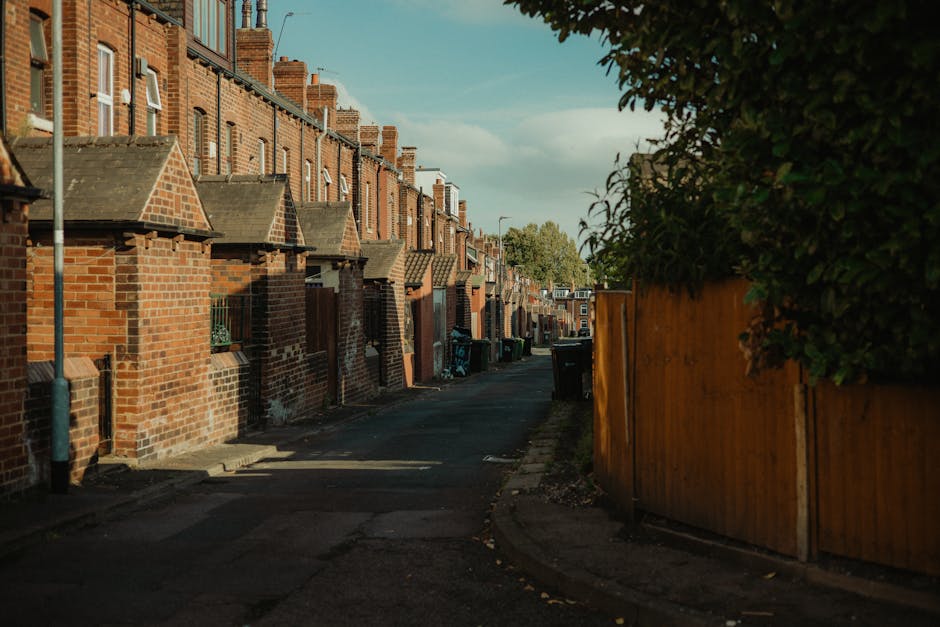
Southgate rubbish removal guide for N14 terrace homes
If you live in an N14 terrace home, you already know rubbish removal is rarely as simple as "put it out front and forget it." Narrow front gardens, shared access, on-street parking, awkward alleyways and neighbours who quite rightly expect the street to stay tidy can all make a straightforward clear-out feel like a mini project. This Southgate rubbish removal guide for N14 terrace homes is here to make that project much easier. Whether you are clearing a loft, tackling a renovation, or just trying to get rid of a sofa that has become part of the decor, the right approach can save time, stress and a fair bit of back-and-forth.
Below, you will find a practical, local-first guide to the common rubbish removal options, how they work in terrace-house settings, what to watch for, and when a service such as professional rubbish removal makes more sense than a skip. We will keep it plain English, useful, and grounded in the realities of Southgate homes. No fluff. Just the stuff that helps.
Table of Contents
- Why this matters for N14 terrace homes
- How rubbish removal works in practice
- Key benefits and practical advantages
- Who this is for and when it makes sense
- Step-by-step guidance
- Expert tips for better results
- Common mistakes to avoid
- Tools, resources and recommendations
- Law, compliance, standards and best practice
- Options, methods and comparison table
- Case study or real-world example
- Practical checklist
- Conclusion
- Frequently asked questions
Why Southgate rubbish removal guide for N14 terrace homes Matters
Terrace homes in Southgate have a very particular rhythm. They are often compact, practical, and full of character, but the same features that make them charming can make waste removal awkward. A pile of bags in a narrow hallway, a broken wardrobe in the front room, or a garden pile after a weekend clear-out can become a real obstacle fast.
For terrace properties, rubbish removal is not only about getting waste away. It is about doing it without blocking entrances, annoying neighbours, risking damage to paving or brickwork, or leaving items sitting around longer than they should. That last bit matters more than people think. Once waste starts stacking up, the job begins to feel bigger and messier. You open one cupboard and suddenly there are three more to deal with. Happens all the time.
There is also the local access factor. In some N14 streets, parking can be tight and front access limited. That means the most convenient solution is not always the one that looks best on paper. A rubbish removal service, a man and van collection, or a wait-and-load option can be much more suitable than hiring a large skip that dominates the frontage and needs space you simply do not have.
In short, this guide matters because terrace homes need waste plans that work with the property, not against it. That is the difference between a calm clear-out and a week of frustration.
How Southgate rubbish removal guide for N14 terrace homes Works
Rubbish removal for terrace homes usually follows one of a few practical routes. The right one depends on what you are clearing, how much there is, and how easy it is to get items from the house to the vehicle.
The most common options are:
- Man and van collections for smaller loads, mixed household waste, or items that can be carried out reasonably quickly.
- Wait-and-load skip hire when a skip would be useful but you cannot leave it on a tight street for long, or do not want to block the road.
- Standard skip hire for larger clear-outs, refurbishment debris, or when you have enough space and, if needed, the right permit.
- Specialist item removal for things like mattresses, fridges, appliances, sofas or confidential paper.
For many terrace homes, the key decision is access. Can a vehicle park near the property? Is there a front path? Do you have rear access, a side return, or a small front courtyard? These questions shape the most efficient method. If the waste is upstairs in a loft or spread across multiple rooms, the labour involved matters too. A service that includes lifting and loading can be a real relief, especially if you are dealing with heavy, awkward, or dusty items.
You might also want to check what can go into a skip if you are weighing up options. The guidance on what can go in a skip is a good place to sanity-check mixed loads, especially if your clear-out includes rubble, timber, old furniture and general household waste all at once.
One useful rule of thumb: if the job feels like it will take you all weekend, or if the load contains bulky items that are annoying to shift down narrow stairs, consider a service that does the lifting. Your back will thank you. Probably immediately.
Key Benefits and Practical Advantages
The right rubbish removal setup does more than clear space. It changes the pace of the whole job.
- Less disruption - Terrace homes often mean close neighbours and limited storage space. Faster removal means less clutter at the front or inside the house.
- Better use of space - If a skip would block your frontage or a walkway, a van-based collection can be much tidier.
- Quicker turnaround - For a one-off clear-out, same-day or next-day collection can be a huge help. See same-day skip hire if timing is tight.
- Less manual handling - Heavy lifting is where many DIY clear-outs go wrong. Professional loading can reduce strain and awkward trips up and down stairs.
- More flexible for mixed waste - House clearances often produce a strange combination of items: broken drawers, old paint tins, carpet offcuts, packaging, and random junk from under the stairs. Real homes are never neat category examples.
- Cleaner end result - A good removal plan leaves fewer leftovers and less mess behind.
There is also a practical peace-of-mind factor. When waste leaves quickly, you stop thinking about it. That sounds small, but it is not. A clear space feels calmer. You can move, clean, decorate or repair the room without constantly stepping around rubbish bags.
Expert summary: For most N14 terrace homes, the best rubbish removal method is the one that minimises access problems, reduces lifting, and avoids leaving waste sitting outside for days. Convenience matters, but so does keeping the street tidy and the job manageable.
Who This Is For and When It Makes Sense
This guide is for anyone in Southgate living in a terrace property who needs waste removed without making a mess of the whole front of the house. That includes owners, tenants, landlords, letting agents, and anyone helping a relative with a clear-out.
It makes sense when you are:
- clearing a loft, cellar, spare room, or under-stairs cupboard
- getting rid of old furniture after a tenancy change
- sorting renovation waste from a kitchen, bathroom or hallway update
- removing garden waste after trimming, landscaping or seasonal tidying
- disposing of bulky household items that do not fit in normal bins
- needing a fast turnaround before builders, decorators or visitors arrive
It is also relevant if you have limited parking or shared access. Terrace homes in N14 often have more logistical issues than people expect at first glance. A small job can become inconvenient simply because the waste has to travel through a tight hallway, past a parked car, and around a neighbour's bins. Nothing dramatic. Just enough friction to slow everything down.
If your clear-out is broader than a few bags and includes loft contents, box clutter, or the aftermath of years of storage, the service pages for garage and loft clearance and house clearance may also be useful starting points. They are especially relevant where the waste is mixed and spread across multiple rooms.
Not every situation needs a full skip. Sometimes a simple collection is enough. Sometimes it is not. That decision depends on scale, access and time. Straightforward enough, but it is worth slowing down and thinking it through before you start lifting.
Step-by-Step Guidance
Here is a practical way to approach rubbish removal in a terrace home without overcomplicating it.
- Walk the property and identify the waste
Look at every room, the loft, the garden, sheds, under-stairs storage, and any outbuildings. Make three rough piles: keep, donate/reuse, remove. If you skip this step, you will almost certainly overfill the load with items you later regret throwing away. - Separate the awkward stuff
Anything bulky, heavy, electrical, fragile or potentially hazardous should be set aside early. Fridges, freezers and some appliances need special handling, and it is worth checking the dedicated fridge and appliance removal service if those are part of the job. - Measure access, not just volume
A small terrace path can matter more than the size of the pile. Can a vehicle stop nearby? Is there room to carry items from the back? Will you need to move bikes, planters, or bins first? These are boring questions, but they save headaches. - Choose the right removal method
For quick, mixed loads with limited space, man and van or wait and load skip hire can be ideal. For larger renovation debris, look at builders skip hire or construction waste disposal. - Ask what is accepted
Do not guess. Mixed waste is common, but not every material can go together. If you are unsure, check the service details and the site guidance on skip contents before loading everything in one rush. - Plan the collection day
Move items close to the pickup point where possible, but do not obstruct pavements or shared entrances. A tidy stack is easier to handle and usually quicker to collect. A wobbly pile, less so. - Confirm loading and clearing details
Ask whether loading is included, whether the collection window is fixed or flexible, and whether the team will sweep up afterwards. Those little details often make the biggest difference in terrace streets.
If your project involves a bigger renovation or mixed rubble, it may be useful to compare the core skip hire option with a collection service, rather than assuming one is automatically better. They solve different problems.
Expert Tips for Better Results
A few small adjustments can make a terrace-house clear-out feel far less chaotic.
- Start upstairs early - lofts and top-floor rooms are usually the slowest to clear. Tackle them before energy fades.
- Flatten what you can - cardboard, flat-pack timber and dismantled furniture take up less room and are easier to carry.
- Keep a "do not mix" pile - batteries, chemicals, paint tins, and similar items should never be casually tipped into a general load.
- Use bags only for light waste - overfilled bin bags split at the worst time. Usually on stairs. Usually when you are in a hurry.
- Protect hallways and thresholds - old blankets, cardboard or dust sheets can prevent scuffs on narrow passages and door frames.
- Take one photo of the pile before booking - it helps you explain the job clearly and avoids underestimating the volume.
- Book a slightly bigger service than you think you need - especially if you are clearing over several days. The waste grows. It just does.
One sensible habit is to bundle similar items together before the collection day. Put soft furnishings in one place, timber in another, and reusable items in a separate area. That makes loading more efficient and keeps the job feeling less random.
If you want a quieter, more secure setup for household waste, an enclosed and lockable skip hire option can be worth considering, especially where the waste will sit for longer than a few hours. Not essential for every home, but useful if you are juggling a busy street or mixed contents.
Common Mistakes to Avoid
Most waste-removal headaches come from a handful of repeat mistakes. The good news? They are easy to avoid once you know what to look for.
- Leaving the planning until the day before - this usually leads to rushed decisions and poor access choices.
- Booking the wrong method for the street - a full skip may be fine in one Southgate terrace and impossible in the next.
- Mixing restricted items with general waste - hazardous items need separate handling, and some electricals do too.
- Underestimating lifting effort - carrying a heavy chest of drawers down narrow stairs is nobody's idea of fun.
- Forgetting about permits where needed - if a skip is going on a public highway, you should check the relevant permit or skip permit guidance before arranging it.
- Blocking shared access - in terrace rows, a small obstruction can create a big problem very quickly.
One subtle mistake is assuming "rubbish removal" and "skip hire" are interchangeable. They overlap, yes, but not always. A house full of awkward furniture may be easier with a collection service. A pile of renovation rubble may suit a skip better. Different tools, different jobs.
Tools, Resources and Recommendations
You do not need a lot of specialist equipment, but a few practical basics make the job smoother.
- Heavy-duty sacks and boxes for loose household waste, books, and smaller items.
- Work gloves for mixed materials, dusty loft items and rough edges.
- Dust sheets or old blankets to protect hallways, stairs and door frames.
- Basic tools such as a screwdriver, utility knife or pliers for dismantling furniture.
- Marker pens or labels to mark keep, donate and remove piles.
- Phone camera for quick inventory photos before booking a collection.
Useful service pages to review before deciding:
- skip sizes and prices if you are comparing budgets and capacity
- pricing and quotes if you want a clear sense of how jobs are assessed
- recycling and sustainability if you care about how waste is handled after collection
- waste recycling services if you want to better understand sorting and diversion from landfill
For properties with limited access and a relatively modest amount of waste, the combination of rubbish removal and man and van is often the most flexible route. It keeps the process simple, and to be honest, simple is underrated.
Law, Compliance, Standards and Best Practice
When you are dealing with waste in the UK, a sensible basic principle applies: make sure it goes to a legitimate, properly handled disposal route. You do not need to become a regulations expert, but you do need to be careful about what is mixed together, left on the street, or handed to an operator without checking they are suitable for the job.
For terrace homes in Southgate, best practice usually means:
- keeping pavements, driveways and shared access routes clear
- checking whether a skip would need a permit if it is placed on the public highway
- separating hazardous waste and specialist items from general household rubbish
- using a provider that explains how waste is handled and recycled where possible
- making sure any collection method does not create a nuisance for neighbours or block emergency access
If you are unsure about item types, use the provider's guidance rather than guessing. That is especially true for appliances, chemicals, paint, sharps, batteries, and confidential paperwork. For documents, confidential shredding is a more appropriate route than putting papers into a general rubbish pile.
Compliance is not only a legal box-tick. It is also about avoiding nuisance, avoiding fines or delays, and keeping the street safe. Very practical stuff, really. And yes, a decent provider should be able to explain the process in a way that does not sound like a tax form.
Options, Methods, or Comparison Table
If you are choosing the best rubbish removal approach for an N14 terrace home, compare access, speed, lifting effort and waste type rather than just headline cost.
| Method | Best for | Pros | Watch-outs |
|---|---|---|---|
| Man and van | Small to medium mixed loads, bulky household items | Flexible, quick, good for tight access | May not suit large renovation waste |
| Wait-and-load | Short, fast clear-outs where road space is limited | No long-term street obstruction, efficient | Requires good timing and everything ready to go |
| Standard skip hire | Larger volumes, renovation debris, ongoing clear-outs | Simple loading over time, good capacity | Needs space and possibly a permit |
| Enclosed skip hire | Loads needing extra security or weather protection | Neater and more contained | May cost more than an open skip |
If your waste is mostly furniture or household clutter, a collection service is often the most practical. If you are dealing with plaster, rubble, soil or construction debris, more specialised waste routes such as builders waste removal or construction waste clearance may fit better.
Case Study or Real-World Example
A typical Southgate terrace scenario goes like this. A homeowner is preparing to repaint the ground floor and clear the hallway, front room and loft at the same time. The house is full of mismatched items: old shelving, a cracked bedside cabinet, some cardboard boxes, two bags of general rubbish, and a heavy sofa that has been sitting in the front room for months because nobody wants the hassle of moving it.
The first instinct is often to hire a skip. But the front path is tight, the street parking is busy by late morning, and leaving a skip outside for several days would make access awkward for everyone. In that case, a mixed approach works better: soft clutter boxed up in advance, the sofa booked through a dedicated disposal route, and the rest handled with a collection service.
What changed the experience was not just the removal itself. It was the planning. The homeowner sorted the waste into piles the night before, protected the hallway with old blankets, and kept the front path clear. The collection was done in one visit. No drama, no repeated trips, no "where do we put this now?" moment halfway through.
That is often the real win in terrace homes. A good plan reduces not only the waste, but the friction around the waste.
Practical Checklist
Use this quick checklist before you book or start loading anything.
- Identify exactly what needs removing.
- Separate hazardous, electrical and confidential items.
- Measure access from the house to the kerb.
- Decide whether the load is better for skip hire, man and van, or wait-and-load.
- Check if any item needs specialist handling, such as a fridge, mattress or sofa.
- Clear the route through hallways, side paths and doorways.
- Protect floors and frames if items are bulky or dusty.
- Confirm whether a permit is needed for anything left on the public highway.
- Ask about recycling, loading, and collection windows.
- Keep one small area free for anything you may still want to keep.
If you are clearing a bigger indoor space or a property that has been full for years, the guidance on garage and loft clearance can help you think in stages rather than trying to do everything at once.
Conclusion
Southgate terrace homes in N14 need rubbish removal that is smart, tidy and realistic. Once you factor in access, neighbours, street space and the type of waste involved, the "best" option becomes much clearer. Sometimes that is a skip. Sometimes it is a collection service. Sometimes it is a mix of both, and that is perfectly normal.
The main thing is to plan for the shape of your property, not some idealised version of it. Terrace homes have their own quirks, but once you work with those quirks, the job gets a lot easier. Clear the route, sort the waste properly, and choose a service that fits the space you actually have. Simple, but effective.
Get a free quote today and see how much you can save.
And if you are still weighing up the most practical route, take a breath, look at the pile again, and choose the option that makes tomorrow feel lighter. That is usually the right one.
Frequently Asked Questions
What is the best rubbish removal option for a N14 terrace home?
It depends on access and waste type, but many terrace homes suit man and van collections or wait-and-load skip hire because they avoid leaving large containers outside for long periods.
Do I need a skip permit for a terrace street in Southgate?
If a skip is placed on a public road or highway, a permit may be needed. If it sits fully on private land, it usually may not be, but you should always check the exact arrangement before booking.
Is rubbish removal cheaper than skip hire?
Not always. Smaller jobs can be cheaper with a collection service, while larger volumes may suit a skip better. The cheaper option depends on how much waste you have, how hard it is to carry, and how long the job will take.
Can I put furniture and general rubbish together?
Usually yes, if the service accepts mixed household waste. Sofas, tables, boxes and general clutter are often collected together, but appliances and hazardous items may need separate handling.
What items need special disposal?
Fridges, freezers, some electrical items, paint, chemicals, batteries and confidential documents are common examples. It is better to check before mixing them into a general load.
How do I know if a skip will fit outside my terrace?
Measure the frontage, check parking restrictions, and consider whether the skip would block access for neighbours or pedestrians. In a tight Southgate street, access is often more important than volume.
Can I use same-day rubbish removal in Southgate?
Sometimes, yes, depending on availability and the size of the job. For urgent clear-outs, same-day options can be helpful when you need the space back quickly.
What is wait-and-load skip hire?
It is a service where the skip or vehicle arrives, you load the waste quickly, and it is taken away soon after. It can be ideal for terrace homes where leaving a skip outside is inconvenient.
What should I do with a mattress or sofa?
Large soft furnishings are often better handled through dedicated disposal services, especially if they are awkward to carry through narrow hallways or down stairs.
How can I keep the house clean during waste removal?
Use dust sheets, clear the route first, bag lighter waste securely, and group items by type. A bit of prep goes a long way, especially in older terrace homes where hallways can be narrow.
Is rubbish removal suitable for loft clear-outs?
Yes, particularly if the loft contains mixed clutter, old boxes or bulky items that are difficult to move yourself. It is often easier than trying to make repeated trips to a skip.
Where can I check prices and service details before booking?
The most useful starting points are skip sizes and prices and pricing and quotes, especially if you are comparing methods and want to keep the job within budget.